
If you’ve been in a car accident, dealing with a collision repair insurance claim might feel overwhelming. You want your vehicle fixed quickly and your insurance payout handled smoothly, but the process can be confusing.
What steps do you need to take? How do you make sure your claim gets approved without delays? You’ll discover clear, simple advice to navigate your collision repair insurance claim with confidence. By understanding what to do—and what to avoid—you’ll protect your rights and get back on the road faster.
Keep reading to learn how to handle your claim like a pro and avoid common pitfalls.

Filing Your Claim
After a collision, the first step is to stay safe and move to a safe place if possible. Next, gather essential information such as the other driver’s name, contact, and insurance details. Take clear photos of the damage, license plates, and the accident scene.
Make sure to get a police report number if authorities attend the scene. This report helps support your claim later. Write down the date, time, and location of the accident for your records.
Contact your insurance company as soon as you can. Provide all the gathered information clearly. They will guide you through the next steps in filing your claim. Keep all documents and receipts related to the repair and medical expenses safe for reimbursement.

Documentation Tips
Take clear photos of all damage from multiple angles. Include close-ups and wide shots. Capture the license plates and surrounding scene. Use good lighting and steady hands for sharp images.
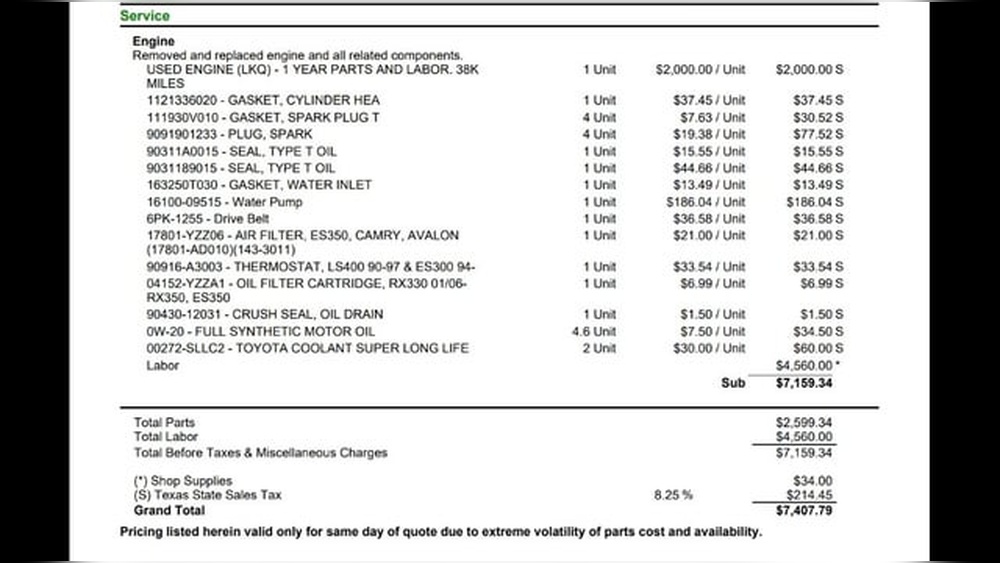
Keep all receipts and records related to repairs, towing, and rental cars. These documents help prove your expenses. Organize them in a folder or digital file for easy access.
Obtain a police report after the accident. This official report contains key details like the date, time, and parties involved. It supports your claim and speeds up processing.
Working With Adjusters
Speak clearly and stay calm when talking to adjusters. Provide only facts about the accident. Avoid guessing or admitting fault. Do not share unnecessary details that can confuse the situation.
Schedule inspections promptly to speed up the claim. Be flexible with times and locations to help the process. Make sure the vehicle is accessible and in the agreed condition for inspection.
Negotiate repair estimates by comparing multiple quotes. Ask for detailed explanations of costs if unsure. Keep in mind that adjusters want to lower expenses, so stay firm but polite.

Maximizing Your Payout
Coverage varies by policy. Know your limits and what is included. Deductibles are the amount you pay before insurance helps. Lower deductibles mean higher premiums, but less out-of-pocket after a crash. Check your policy carefully to avoid surprises.
Choose repair shops with good reviews and proper certifications. Some insurers prefer specific shops, but you have the right to choose. Ask about warranties and the time it takes to finish repairs. Getting multiple estimates can help you compare costs.
Disputes may happen if the insurer disagrees with repair costs. Keep all receipts and photos of damage. You can appeal by providing more evidence or getting an independent inspection. Stay calm and organized to improve your chances of success.
Speeding Up The Process
Timely communication with your insurance company speeds up the claim. Call or email right after the accident. Keep all your documents ready, like photos and police reports. Respond quickly to any requests from the insurer. This shows you are serious and helps avoid delays.
Using technology tools makes the process easier. Many companies have apps for filing claims. Upload photos and documents directly through these apps. Track your claim status online anytime. It saves time and reduces paperwork.
Following up strategically keeps your claim on track. Set reminders to check progress regularly. Be polite but firm when asking for updates. If delays happen, ask for a clear reason. Persistence often leads to faster results.
Local Resources In Austin, Texas
Recommended Repair Shops in Austin offer quality services for collision repairs. These shops work with most insurance companies to make the process smoother. Choose shops with good reviews and certified technicians. They often provide free estimates and help with paperwork.
Insurance Support Services can guide you through your claim. Local agents help explain coverage and steps to follow. They assist with documentation and ensure you meet deadlines. Many offer customer service in person or by phone.
| State Regulations | Helpful Tips |
|---|---|
| Texas law requires timely claim reporting. | Report accidents within 24 hours to your insurer. |
| Keep all repair receipts for reimbursement. | Take photos of damage before repairs start. |
| Use licensed repair shops for better warranty protection. | Stay calm and keep records of all communications. |
Frequently Asked Questions
How Is A Collision Claim Paid Out?
A collision claim pays out by the insurer issuing a check or direct payment to cover repair costs. You receive funds after claim approval.
What Not To Say To An Insurance Claim Adjuster?
Avoid admitting fault or exaggerating damages. Do not share unnecessary personal opinions or speculate about the accident. Stay factual, polite, and concise. Never agree to settlements without understanding your policy. Avoid revealing unrelated medical history or financial details.
Is Appendicitis Covered Under Accident Insurance?
Accident insurance usually does not cover appendicitis. It primarily covers injuries from accidents, not illnesses.
What Is The Three-collision Rule?
The three-collision rule limits insurance claims to three accidents within a set period. After three, coverage may reduce or stop.
Conclusion
Filing a collision repair insurance claim can feel overwhelming. Stay organized and act quickly after the accident. Keep all documents, photos, and reports ready for your insurer. Clear communication helps speed up the claim process. Understanding your coverage avoids surprises later on.
Remember, patience is key while your claim is reviewed. Taking these simple steps protects your rights and your vehicle.
Read More
- Pay Per Mile Car Insurance: Save Big with Smart Driving Choices
- Temporary Car Insurance Online: Quick, Affordable Coverage Today
- Gap Insurance for Financed Cars: Essential Protection Explained
- Zero down Car Finance Deals: Unlock Affordable Driving Today!
- Vehicle Loan Payoff Calculator: Maximize Savings & Pay Off Fast
- Car Loan Prequalification Online: Quick Steps to Secure Approval
- Teen Driver Insurance Cost: How to Save Big and Get Coverage
- Auto Refinance Rates Comparison: Unlock the Best Savings Today
- Mobile Mechanic Service near Me: Reliable, Fast, and Affordable Options
- Transmission Repair Financing: Affordable Options to Save Your Ride